How much does it really cost to own a car in Dubai in 2026?
The true cost of owning a car in Dubai in 2026 - depreciation, insurance, maintenance, fuel, Salik, and parking, broken down for four vehicle types with current rates.
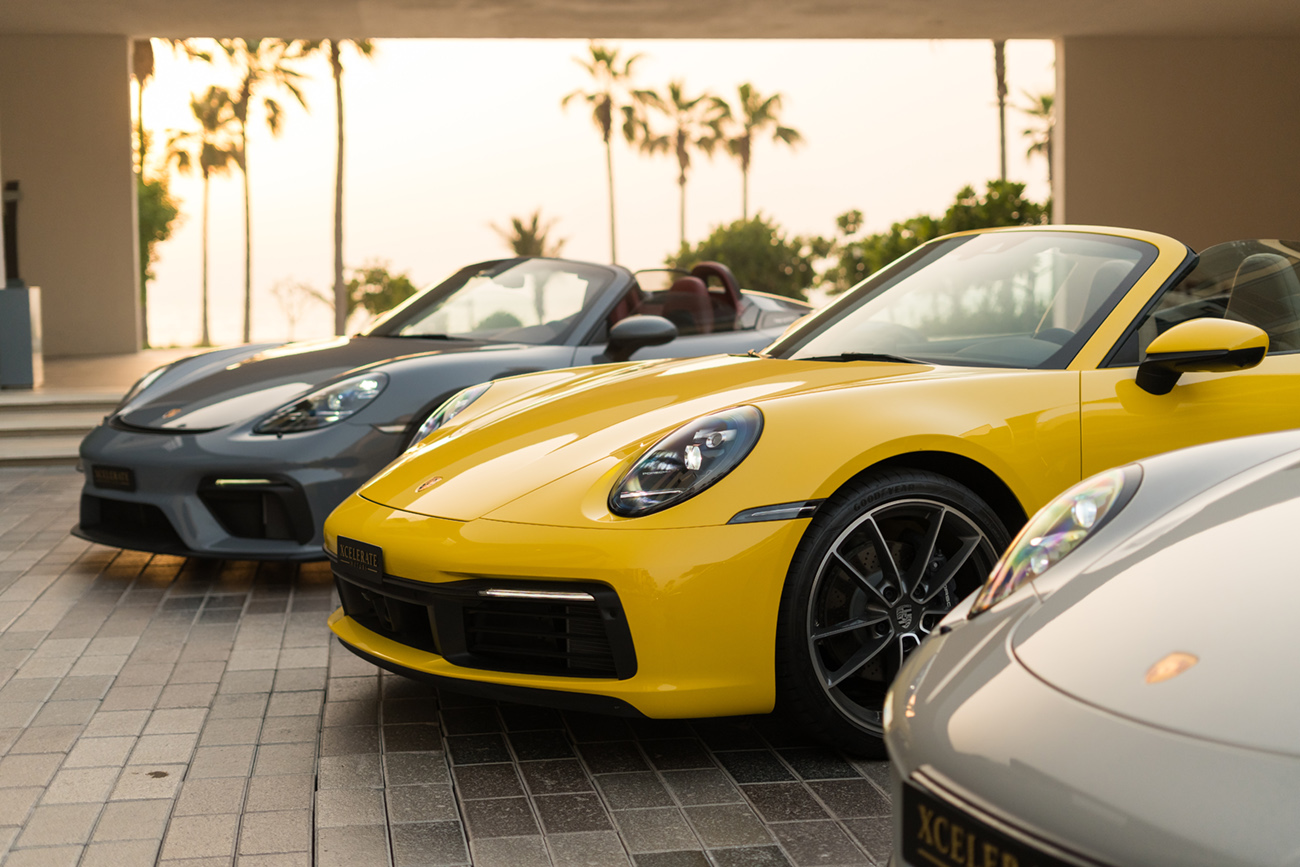
A car that costs AED 400,000 to buy can cost more to own than one that costs AED 600,000. Most buyers find this out at the end, when they sell. We see it at the showroom regularly - someone bought the cheaper car three years ago, brings it in to trade, and the numbers come out nothing like what they expected.
Fuel, insurance, servicing. None of these is the big cost. The big cost is what the car loses in value while you own it, and once you see that number clearly, a lot of buying decisions start to look different.
This guide goes through every cost line with current 2026 rates from the RTA, Salik, Parkin, the UAE Fuel Price Committee, and market insurance data. We modelled four vehicle types line by line so you can find the one closest to yours.
The answer in 30 seconds
| Vehicle Type | Purchase Price | Monthly Ownership | Annual Ownership |
|---|---|---|---|
| Premium executive sedan | AED 165,000 | ~AED 3,500 | ~AED 42,000 |
| Premium luxury SUV | AED 320,000 | ~AED 5,500 | ~AED 66,000 |
| Luxury SUV | AED 400,000 | ~AED 7,300 | ~AED 87,000 |
| Premium sports car | AED 600,000 | ~AED 5,100 | ~AED 61,000 |
Ownership cost excludes finance payments. Figures assume a business commuter driving 20,000 km a year and are five-year averages, so year one runs higher and later years lower.
Look at the luxury SUV row, then the sports car row. The SUV costs AED 200,000 less to buy and more per month to own. The rest of the guide explains where that comes from.
A note on methodology
The figures assume 20,000 km driven per year and comprehensive insurance. They use current Dubai fuel prices, current Salik toll rates, and current RTA registration and inspection fees. All totals are five-year ownership averages. These are 2026 estimates, and any actual number will vary with the specific vehicle, mileage, driver profile, and specification.
Depreciation
For most cars in Dubai, depreciation costs more than insurance, servicing, fuel, and registration combined. You never pay it directly. There is no monthly bill for it. It shows up once, at the end, in the gap between what you paid and what the buyer offers you.
People assume the cheaper car is cheaper to own. Or they assume the expensive car loses value fastest. Neither assumption holds up well in this market, and we watch buyers pay for those assumptions every month.
| Vehicle Type | Purchase Price | Annual Depreciation | As % of Price |
|---|---|---|---|
| Premium executive sedan | AED 165,000 | ~AED 17,200 | 10.4% |
| Premium luxury SUV | AED 320,000 | ~AED 32,600 | 10.2% |
| Luxury SUV | AED 400,000 | ~AED 49,600 | 12.4% |
| Premium sports car | AED 600,000 | ~AED 20,400 | 3.4% |
The sports car loses under 4 percent of its value a year. The luxury SUV loses over 12. In actual dirhams, the sports car loses less per year than an SUV that cost a third less to buy. That difference is the largest single number in the whole cost picture, and it runs against what the showroom prices imply.
We are not arguing for one car over another here. We are saying check the depreciation curve before you commit to a price tag, because the spread between categories is big. Certain sports cars with strong demand lose well under 20 percent over five years. Large luxury SUVs often lose half their value in the same period. Two cars at similar prices can end up tens of thousands of dirhams apart at resale. Brand demand, reliability reputation, mileage, colour, specification, and accident history all move the number, and none of it is printed on the windscreen.
Year one is the steepest part of the curve. A new car can lose 20 to 30 percent of its value in the first twelve months. This is the strongest financial case for buying pre-owned. The previous owner already paid for that first-year drop, and the second buyer keeps the benefit.
One more thing we see all the time. A buyer spends two weeks negotiating AED 5,000 off the price, feels good about it, then loses AED 30,000 to depreciation in year one without noticing, because nobody sends a bill for it. The negotiation is visible, the depreciation is not. Whoever runs the full ownership numbers first usually buys a different car than they came in for.
Insurance
Comprehensive insurance in Dubai runs roughly 1.5 to 3.5 percent of the car's value per year. The rate drops as the value rises. Cars under AED 100,000 sit around 3 to 3.25 percent. Cars above AED 300,000 sit around 2.2 to 2.5 percent. The percentage is lower but the dirham amount is bigger, because it applies to a bigger number.
In our four-vehicle model, the annual premium ranges from about AED 4,600 on the executive sedan to about AED 13,800 on the sports car.
Two cars at the same price can carry very different premiums. Insurers price the cost of repairing the specific car - parts availability, imported components, theft profile, claim history for that model. A performance car with expensive imported parts costs more to insure than a family SUV of the same value.
Your own profile matters as much as the car. Drivers under 25 often pay 3 to 7 percent of value, against 2 to 4 percent for experienced drivers. A clean record builds a no-claims discount of up to 20 percent over a few years. Third-party cover starts around AED 630 but pays nothing toward your own car, so for anything newer or financed, comprehensive is the practical choice.
Get the insurance quote before you commit to the car, not after. It takes minutes and it can move your monthly cost by hundreds of dirhams.
Maintenance and repairs
Budget for three things. Scheduled servicing, wear items, and the occasional unplanned repair.
Servicing cost follows mechanical complexity. In the model, annual maintenance runs about AED 5,500 for the executive sedan and about AED 10,000 for the sports car and the luxury SUV. That gap comes from the engineering and it stays for as long as you own the car.
Wear items arrive on their own schedule no matter how carefully you drive. A set of premium tyres for a performance SUV can cost several times what sedan tyres cost. Bigger brake discs, adaptive suspension parts, air suspension on the large SUVs, high-performance batteries, and the yearly air-conditioning service this climate demands - it all adds up. Nobody quotes these numbers at the point of sale, which is why buyers meet them after purchase instead of before. Some luxury SUVs have a reputation for high maintenance costs, and that reputation is part of why their resale values sag.
The unplanned repair is where service history matters. A complete, verifiable record means the car was maintained on schedule and the odds of a nasty surprise are lower. A gap in the record is a risk you absorb - it is priced into the car whether you noticed it or not. Genuine parts cost more than aftermarket but they fit right and hold resale value, so the aftermarket saving often comes back out at resale. What a proper inspection covers, we wrote up in our pre-purchase inspection checklist.
Fuel
The pump price matters less than your mileage. The same car costs completely different money at 10,000 km a year versus 35,000.
UAE fuel prices are set monthly by the Fuel Price Committee. As of July 2026, Special 95 costs AED 3.29 per litre and Super 98, which most performance engines require, costs AED 3.40. Earlier in 2026 prices ran more than 60 percent higher during the regional conflict, then eased in July. Treat fuel as a variable cost, not a fixed one.
| Driver Profile | Annual Distance | Sedan Fuel | Luxury SUV Fuel |
|---|---|---|---|
| Urban | 10,000 km | ~AED 2,700 | ~AED 4,100 |
| Business commuter | 20,000 km | ~AED 5,400 | ~AED 8,200 |
| Heavy driver | 35,000 km | ~AED 9,500 | ~AED 14,300 |
The heavy driver in a thirsty SUV spends more on fuel alone than the urban driver spends on fuel and Salik together. If you have a long daily commute, check the car's real consumption against your real distance before you buy. A big engine on a long commute costs more over three years than most price differences between two cars on a shortlist.
RTA registration and renewal
Registration renews every year and the cost is predictable. The base renewal fee for a private light vehicle runs about AED 290 to 380 depending on the service channel.
Cars older than three years need a roadworthiness inspection before renewal, which adds about AED 120 to 170. Newer cars skip the test. Insurance has to be valid for the renewal to go through, and unpaid fines or Salik balance block it until cleared. Driving on expired registration costs AED 500 plus black points, and the car can be impounded.
A few hundred dirhams a year, more once the car turns three and the inspection starts. Small next to the other lines, but you cannot skip it.
Salik (road tolls)
For a commuter, Salik is a real cost line, and it depends on your route more than your mileage.
Since June 2026, Salik crossings include 5 percent VAT and use time-of-day pricing. Peak crossings, 6 to 10 in the morning and 4 to 8 in the evening, cost AED 6.30 per gate. Off-peak costs AED 4.20. There is no charge between 1 and 6 in the morning, and Sundays run at the off-peak rate all day.
Four gates a day at peak comes to about AED 50 daily. Over a 22-day working month that is close to AED 1,100, and past AED 13,000 over a year once weekends are counted. A driver who lives and works away from the toll corridors might pay a tenth of that.
Route choice moves the number a lot. Al Khail Road runs parallel to Sheikh Zayed Road with fewer gates. Moving a trip outside peak hours cuts each crossing by a third. For a heavy commuter, planned versus unplanned routing is worth thousands of dirhams a year.
Parking
Dubai public parking, run by Parkin, added 5 percent VAT in June 2026. Standard zones cost about AED 2 to 4 per hour depending on timing, premium zones more.
What you actually pay depends on where you live and work. Free building parking at both ends means close to zero. A residential permit plus daily paid parking near the office plus weekend mall trips can add up to a few thousand dirhams a year. It rarely changes which car you buy, but it belongs in the monthly budget.
The full picture: four vehicles, line by line
The complete model for a business commuter driving 20,000 km a year. Every figure comes from the sections above.
| Annual Cost | Executive Sedan | Premium Luxury SUV | Luxury SUV | Sports Car |
|---|---|---|---|---|
| Depreciation | 17,200 | 32,600 | 49,600 | 20,400 |
| Insurance | 4,620 | 7,680 | 10,000 | 13,800 |
| Maintenance | 5,500 | 9,000 | 10,500 | 10,000 |
| Fuel | 5,440 | 7,480 | 8,160 | 7,820 |
| Salik | 6,600 | 6,600 | 6,600 | 6,600 |
| Parking | 2,000 | 2,000 | 2,000 | 2,000 |
| Registration | 400 | 400 | 400 | 400 |
| Total / year | ~41,700 | ~65,800 | ~87,300 | ~61,000 |
| Total / month | ~3,477 | ~5,483 | ~7,272 | ~5,085 |
Five-year averages. Year one runs higher because depreciation is front-loaded. Figures are 2026 estimates and vary with the exact model, mileage, driver profile, and specification.
Compare the luxury SUV with the sports car. The SUV costs AED 200,000 less to buy and over AED 2,000 more per month to own. Almost all of the difference sits in one line - the SUV depreciates at AED 49,600 a year, the sports car at AED 20,400. Even the premium luxury SUV, at about half the sports car's price, comes out more expensive per month, because it depreciates at ten percent a year against the sports car's three.
What ownership costs look like over five years
The cost of owning a car changes shape over time, and the pattern repeats across almost every vehicle we handle.
Year one is the most expensive year, and you never see it on a statement. Depreciation is at its steepest, often 20 to 30 percent of value on a new car. Maintenance is minimal and the warranty covers most problems. The money is real, it just leaves through the resale value instead of your bank account.
Year three is the crossover. Depreciation slows down as the curve flattens. The manufacturer warranty is usually ending. Maintenance starts climbing as wear items reach replacement age. This is when the car stops being a warranty-protected asset and becomes a maintenance responsibility, and it is the right moment to check whether the warranty can be extended.
By year five the pattern has flipped. The car loses little value each year, but maintenance is a real line item and unplanned repairs get more likely. The cheap years to own a car are the middle ones - after the depreciation cliff, before the repair bills.
This is the financial case for a well-prepared pre-owned car with active or extendable warranty. You skip the year-one drop, you buy where the curve flattens, and you keep warranty cover through the years when repair risk rises. Bought right, you own the flat part of the curve.
Reducing your total cost of ownership
The biggest lever is buying for resale value instead of purchase price. Ask what the car will be worth at year three, not just what it costs today. The table above is the whole argument.
The smaller levers add up too. Verify the service history before buying - it cuts repair risk now and protects your own resale later. Get the insurance quote before committing, not after. Keep maintenance on schedule, because deferred servicing costs more later and hurts resale twice. Plan around the avoidable costs where you can - a route with fewer Salik gates, the right fuel grade, resale-friendly colours, steady driving. None of these is big on its own. Together they move the annual total by a few thousand dirhams.
Related reading
Resale value connects directly to how you sell - we compared private sale, trade-in, and consignment with realistic timelines for each. The Dubai climate speeds up several of the depreciation lines, especially on cars parked without cover, which we covered in how Dubai heat affects used luxury cars. And for any used purchase, the inspection checklist is where the hidden costs get caught early.
FAQ
Q: What is the biggest single cost of owning a car in Dubai?
A: Depreciation, for almost every vehicle in the luxury segment. Across the four vehicles modelled here, depreciation accounts for between 33 and 57 percent of total annual ownership cost. For most profiles it exceeds insurance, maintenance, fuel, Salik, and registration combined.
Q: How much does comprehensive car insurance cost in Dubai?
A: Roughly 1.5 to 3.5 percent of the car's value per year. Cars under AED 100,000 sit near the top of the range, cars above AED 300,000 around 2.2 to 2.5 percent. Driver age, claim history, and the repair-cost profile of the specific model all shift the number.
Q: How much does Salik actually cost a Dubai commuter?
A: Four gates a day at peak hours comes to about AED 50 daily, roughly AED 1,100 per working month, and can pass AED 13,000 a year with weekend driving. Since June 2026 crossings include 5 percent VAT, with peak at AED 6.30 per gate and off-peak at AED 4.20.
Q: Is a used luxury car really cheaper to own than a new one?
A: Usually, yes. Year one carries the steepest depreciation on a new car, often 20 to 30 percent of value. A well-prepared pre-owned car with active or extended warranty skips that drop while keeping protection against repair risk. The middle years of ownership are the cheapest, and a good used purchase puts you in exactly those years.
Q: Do sports cars really cost less to own than luxury SUVs in Dubai?
A: In certain pairings, yes. A sought-after sports car depreciating at 3 percent a year can cost less per month than a luxury SUV depreciating at 10 to 12 percent, even at a much higher purchase price. Not every sports car holds value this well, but the pattern is real, and it is the reason total cost of ownership beats purchase price as a buying guide.
Where this leaves you
When buyers ask whether they can afford a car, they usually mean the purchase price or the monthly payment. The better question is whether they can afford to own it. Depreciation, insurance, maintenance, fuel, Salik, registration, and parking add somewhere between AED 40,000 and 90,000 a year depending on what you drive and how far. None of it appears on the sales invoice.
Run the ownership numbers before you sign. Sometimes they point at a more expensive car, sometimes at a much cheaper one, and almost never at the car the sticker price alone would have picked.
If you want a second opinion on what a specific car will actually cost you to own, drop in at Galleria Mall, Al Barsha, or send us the listing. We will give you the same numbers we would give a friend.