How Dubai heat affects used luxury cars (and how to spot the damage before you buy)
How Dubai's 50°C summers and intense UV affect used luxury cars - what gets damaged, how to spot it before buying, and how to protect a car you already own.
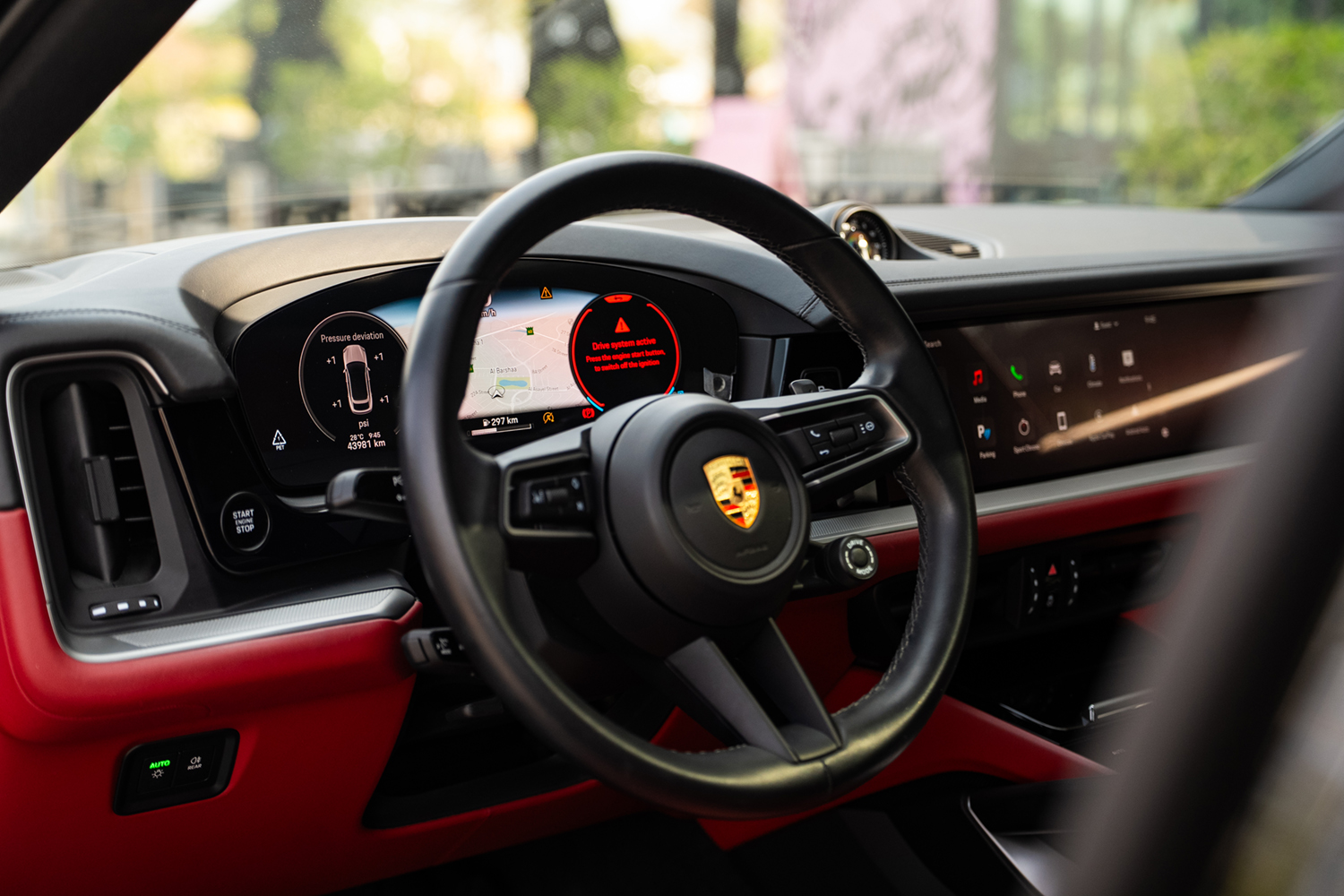
Dubai sits in one of the harshest climate bands on Earth for cars. Surface temperatures on a parked vehicle hit 80 to 90 degrees through July and August, UV intensity stays high through the long hot season, and coastal humidity runs 70 to 90 percent in late-summer mornings. The sun is overhead for ten to twelve hours a day from May through September, and vehicles get punished here in ways no European or East Asian engineer fully designed for. The cumulative effect on a used luxury car after a few years in this climate shows up everywhere if you know where to look.
Cars are engineered for averages. A BMW or Mercedes specced for European weather is rated to operate fine across a range from minus twenty to plus forty Celsius, and Dubai lives at the top edge of that range for months on end. Things age on a different timeline here than they would in Munich or Tokyo, and that's the lens through which every used purchase in the UAE should be viewed.
If you're shopping for a used luxury car in the country, this changes both what to look at during a viewing and what to negotiate on once you've found something. The notes below are what we see come in for inspection at Xcelerate Motors, distilled into what actually matters before you sign anything.
What the heat actually damages
The damage moves through a car in a predictable order, and understanding the order helps you read its history when you're standing next to it on a showroom floor.
Plastics and rubber suffer first. Dashboard tops, door cards, the rubber surrounds on door seals, the trim around the windows all degrade as UV breaks down the plasticizers that keep these materials flexible. After three or four Dubai summers without cover, untreated black plastics on a parked car go gray and chalky, dashboards crack along the upper edge where they meet the windshield, and the rubber door seals harden enough to start letting wind noise through on the highway and slow water past during the January rains. By the fifth summer, the damage is usually visible from the driver's seat without any equipment at all.
Leather follows on a similar curve. The driver's side bolster goes first, because that spot collects the most direct sun through the side window combined with the constant contact stress of getting in and out, and without regular conditioning fine cracks start appearing in year four or five, deepen by year seven, and eventually split through the surface coating altogether. Once that coating is broken, the damage is essentially permanent without reupholstery, and reupholstering a luxury car interior runs into five figures very quickly once you factor in matched dyes, proper hides, and the labour to do the job to factory finish.
Air conditioning systems get hit the hardest mechanically. The compressor cycles almost constantly through summer, the condenser fights ongoing dust and sand build-up in the front grille, and the refrigerant pressure operates near its design limit for months at a stretch. AC failures are the single most common workshop visit on luxury cars between five and ten years old in this market, and the bill for a compressor replacement on a German V8 can climb past AED 10,000 once labour is factored in.
Paint and clear coat go through a slower decline that's no less expensive to fix. UV gradually oxidizes the clear coat layer that gives a car its depth and shine, leaving a flat, hazy finish that polishing alone won't bring back. A car parked uncovered through four or five Dubai summers shows this regardless of how often it gets washed, and the only real fix at that point is a full respray, which on a metallic colour from a luxury marque is rarely cheap.
Electronics suffer in less obvious ways but the consequences add up. Modern cars carry control modules tucked into compartments that hit 70 to 80 degrees in summer, and the sustained heat shortens the life of the capacitors inside them. Sensors drift out of calibration, intermittent warning lights flash and clear without obvious cause, and the kind of small electrical gremlins that come and go are often heat-related rather than mechanical. These rarely cause hard failures during a quick inspection, which is exactly why they tend to surface six to twelve months after a purchase, when the warranty window has often closed.
How to spot a heat-damaged car before you buy
A car that spent five summers under Dubai sun looks different from one that was protected, even at identical year and mileage. The signals aren't subtle once you know where to look, and most of them you can check yourself in under ten minutes during a viewing.
The first thing to do is run a hand along the top edge of the dashboard. On a car that lived in a garage or under cover, the surface still feels soft and flexible, the way the factory intended, while on a car that spent its life baking on a Dubai street the same area feels hard and slightly grainy, often with thin cracks forming along the corners where the plastic meets the windshield. That single tactile check tells you more about the car's actual life than any service stamp ever will.
The steering wheel grip area, specifically the top of the wheel from about ten o'clock to two o'clock, is your next stop. Sun coming through the windshield bakes that exact spot for hours every day a car sits unshaded, and the leather wears in a distinctive way - it goes shiny, then slightly sticky-feeling in summer, and eventually starts to glaze over. A worn grip on a car with low recorded mileage is almost always a sign that the car sat in direct sun rather than in a garage, regardless of what the seller tells you about its history.
The upper edge of the front door rubber seals tells a similar story. On a well-kept car, those seals stay soft and flexible enough to compress easily when the door shuts, while on a heat-aged car they're noticeably hard, sometimes shiny on the contact surface, occasionally with flat spots that catch the eye if you run a finger along them. Hardened seals mean a car that lived outdoors, regardless of what the listing claims about parking history, and they're one of the few signals that's almost impossible to fake without replacing the seals themselves.
Headlight lenses are a quick external check that takes seconds. UV gradually clouds the protective coating on modern plastic headlight lenses, and yellow-tinged or hazy lenses on a car under five years old are a reliable indicator of a lot of unshaded time. Even well-kept Range Rovers from 2019 sometimes show this if the previous owner consistently parked outside, and headlight restoration is possible but costs enough that most sellers don't do it before listing.
If you can get under the hood, take a look at the rubber hoses and the plastic cover over the intake manifold. Dry, cracked, or hazed-white surfaces in the engine bay indicate heat stress to systems that should otherwise look almost new at the kind of mileage you're paying for, and a six-year-old engine bay that looks like a ten-year-old one is telling you something the seller might not have mentioned during the negotiation.
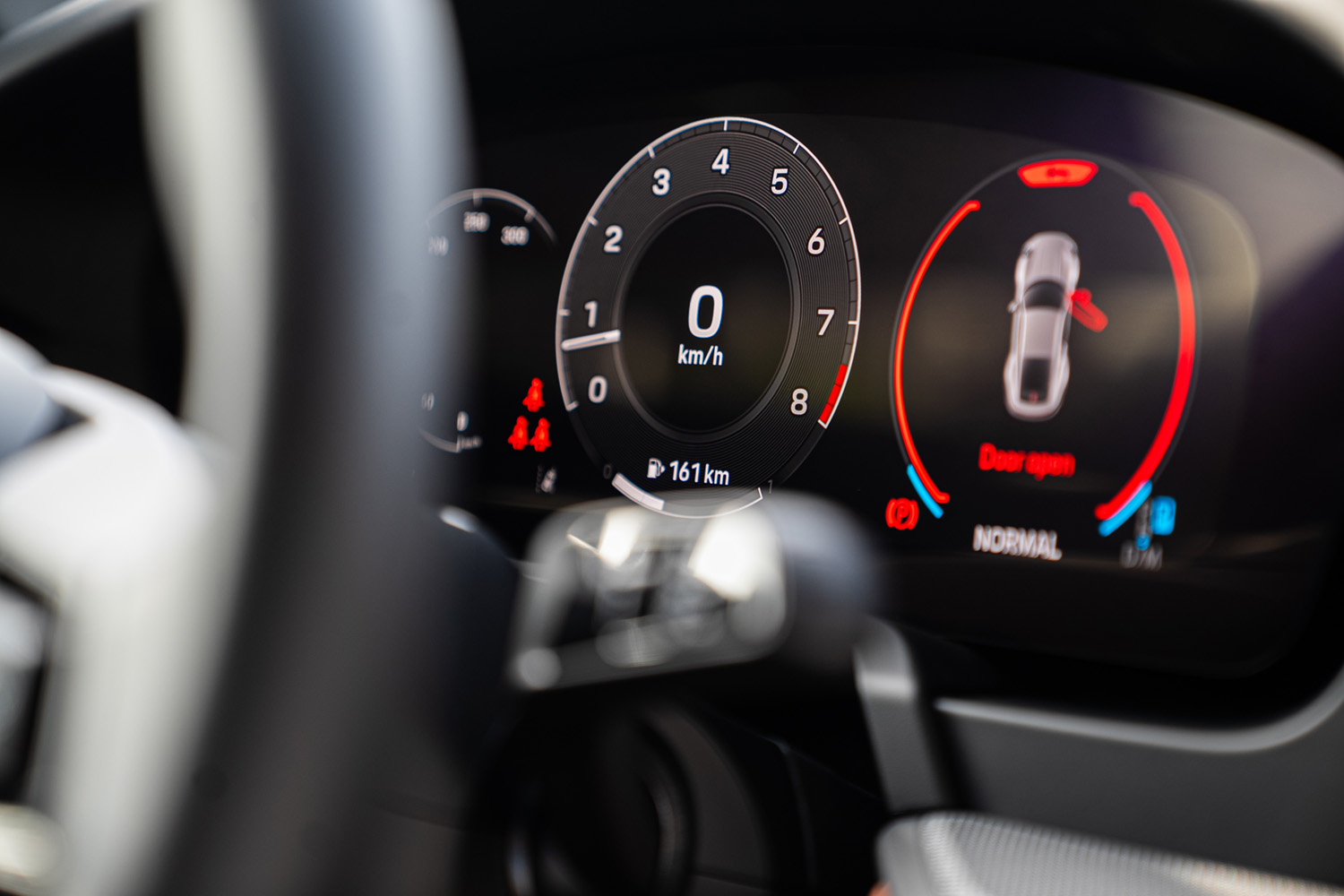
Which brands handle Dubai heat best
Generalizations always have exceptions, but patterns emerge clearly enough over a few hundred cars passing through inspection that they're worth sharing.
Toyota and Lexus consistently hold up better than their European counterparts in this climate. Their leather, dashboard plastics, and air conditioning systems tend to outlast the German equivalents at the same age, and there's a reason a 2015 Lexus LX often presents better inside than a 2018 Range Rover at similar mileage. The engineering tolerances seem to have more headroom for extreme conditions, and the materials are simply more robust against sustained UV than the more decorative European interiors.
Mercedes generally does well on interior materials, with leather and plastics that age slowly when looked after. The AC system longevity varies more by model and engine than the brand's overall reputation suggests, with certain model years excellent and others needing earlier attention than buyers expect, so this is one where a marque specialist's input matters more than reading reviews online.
BMW depends heavily on which model you're considering. The interiors hold up well across the range, but the cooling systems on certain M models and on the X5 and X7 families see workshops more frequently than the brand's reputation for German reliability would imply, and buyers who plan to keep a BMW long-term in this climate tend to budget more for cooling-system maintenance than they would in a European market.
Range Rover and Land Rover suffer the most aesthetically. The leather ages faster than the German competition, dashboard plastics show wear earlier, and the air suspension systems are more stressed in extreme heat than they were originally engineered for. These are beautiful cars that ask for considerably more upkeep than most owners are prepared for when they sign the purchase paperwork, and the difference between a well-kept Range Rover and a poorly kept one tends to be wider in this market than for almost any other brand.
Porsche handles the heat well mechanically, with engines and drivetrains that hold up to extreme conditions without complaint. The interior aging picture is more variable than the mechanical one - some years and trim packages hold up perfectly into the seventh or eighth year while others show wear surprisingly early, so any specific car is worth evaluating on its own merits rather than relying on the badge alone.
Italian luxury, which means Bentley, Lamborghini, Maserati, and to some extent Ferrari, demands the most care of any segment. These cars were engineered for European boulevards and Mediterranean garages rather than Dubai street parking, and they reflect that origin in how they age in the Gulf. With covered parking and proper maintenance they do beautifully and hold value well, while without those they suffer quickly and visibly.
Protecting a car you already own
Covered parking is the single largest factor in how a luxury car ages in this climate, and we see the difference every week. Five years in a covered building compared with five years on the street produces results that look like entirely different vehicles even when the mileage is similar, and if housing options give you any choice at all, prioritizing garage access is one of the few decisions where the value retention alone usually justifies a higher rent over the ownership period.
Sunshades for the windshield are not cosmetic accessories. A proper reflective shade drops interior temperatures by ten to fifteen degrees during peak summer hours, which directly slows dashboard cracking and steering wheel wear, and the rule is to use them every time rather than only on the days when you happen to remember.
Ceramic coating on the paint is a real protection that pays back for cars you intend to keep more than three or four years, and proper paint protection film on the high-impact areas - the front bumper, the leading edge of the hood, the leading face of the side mirrors - extends paint life considerably further at modest additional cost. Both investments show up positively at resale, and the math usually works out clearly in favor of doing them rather than skipping them on any car you plan to own for several years.
Window tinting that complies with UAE law cuts UV transmission significantly even at the legal threshold of 50 percent visibility on the front windows, with rear windows allowed to go darker for additional protection on the back seats and rear leather. Quality matters more than people assume - a cheap dyed film fades and peels in a few summers, while a proper ceramic or metallized film lasts the life of the car and protects everything behind it the entire time.
Air conditioning service in Dubai matters more than the manufacturer service interval implies, because the AC system is doing far more work here than it was tested for in Stuttgart or Tokyo. A pollen filter replacement every year is the minimum, a full system flush every two to three years is sensible, and a refrigerant check before each summer often catches small leaks before they become compressor failures. The maintenance costs a fraction of what a compressor replacement runs.
Frequent washing matters more than people realize. The combination of dust, sand, and UV creates a slow abrasive process on the paint that regular washing interrupts, and a weekly rinse, even just a basic one without polish or wax, is enough to keep the clear coat in fighting shape against the climate over the long term.
What to actually do during the inspection
The best place to inspect a used luxury car in Dubai is in shade or indoors, never parked in direct sun outside a Dubizzle seller's house. Sunlight masks small paint imperfections, makes interior plastics look richer than they really are, and disguises any weakness in the air conditioning system because everything feels worse in heat. A car that genuinely looks great in shaded indoor light is a fundamentally different proposition from one that only looks great in golden hour direct sun, and the difference is worth insisting on before you commit time to a viewing.
During the test drive, run the AC on maximum cold for at least ten minutes and pay attention to how quickly the cold air starts coming through the vents. The vent temperature should reach seven to ten Celsius within two or three minutes, and a longer time to cold tells you the system is tired even if it does eventually get there. The speed of the cooling matters as much as whether the system works at all, and in a Dubai summer that distinction can be the difference between a comfortable car and one you'll be paying to fix in a few months.
Always ask where the car was kept. Apartment building garage, villa garage, on the street, in an open-air parking lot near the marina - all of those produce different signatures on the materials, and cross-checking the seller's answer against what the car actually shows is one of the highest-value parts of any pre-purchase conversation. Sellers who give a clear, specific answer that matches the condition of the car are usually trustworthy on other questions too.
Cars imported from Japan or cooler European markets often show less heat damage than equivalent GCC cars, simply because they spent their first years in milder climates before arriving here. The condition advantage is real but should still be verified with full inspection, since imports can have other history considerations that don't apply to GCC versions, and we went through the wider trade-offs in our GCC vs Japanese imports comparison if you want the longer view on that decision.
The full 150-point inspection process we run on every car of ours is documented in our pre-purchase inspection checklist, and the steps above are a useful subset of what to check yourself in any viewing whether or not you bring in a professional for a deeper look.
FAQ
Q: Does Dubai heat really damage cars more than other hot cities?
A: The combination of summer temperatures, intense UV, coastal humidity, and a hot season that runs five months end to end is harder on cars than most other hot-weather locations on the planet. Phoenix and Las Vegas reach similar temperatures but with much lower humidity, while Mediterranean cities share comparable UV but with much shorter hot seasons. The Gulf sits in a category of its own when it comes to cumulative climate stress on automotive materials, which is why patterns we see here often don't match what European or American owners describe.
Q: How long does a luxury car interior last in Dubai without protection?
A: Five summers is the inflection point for unprotected cars, with visible damage on dashboard plastics, leather, and rubber seals tending to start showing meaningfully in year four or five. With covered parking, sunshades, and regular conditioning, interiors stay in good shape much longer, often into the eighth or ninth year before showing any significant climate-related wear at all, which is why the same model from the same year can look like two entirely different cars depending on how it was kept.
Q: Is annual AC service really necessary?
A: A pollen filter change and basic check, yes, every year. A full system flush every two to three years. A refrigerant pressure check before each summer. The AC is doing more work in Dubai than in any European climate the system was originally engineered for, and skipping maintenance shortens compressor life significantly, often turning a several-hundred-dirham annual service into a several-thousand-dirham replacement after the warranty period has closed.
Q: Are imported cars actually in better condition than GCC ones?
A: Often, for cars under ten years old, because they spent their first years in cooler climates with much less aggressive sun exposure. The condition advantage is real but should still be verified with proper inspection, since imports can have other history issues that GCC versions don't, and the longer comparison covering warranty, resale, and spec differences is on our GCC vs Japanese imports article.
Q: Can heat damage actually be repaired?
A: Cracked leather can be reupholstered, faded plastics can be re-dyed, cloudy headlights can be restored, and AC compressors can be replaced. None of it is free, and most of it costs considerably more than the discount on an outdoor-parked car versus a garaged one would have implied at the time of purchase. The cheaper move is almost always to find a car that wasn't cooked in the first place rather than trying to repair the symptoms of one that was.
If you'd like an honest opinion on how a specific used car has been kept in this climate, drop in at our showroom in Galleria Mall, Al Barsha, or send the listing through. We'll tell you what we see, whether or not the car is one we sell.