Pre-purchase inspection checklist for used cars in the UAE
Our full checklist for inspecting a used car in Dubai, plus how our 150-point process works before a car reaches the showroom floor.

"For every car we consider, we do a full inspection first. If we find undisclosed repaint, an accident, or serious mechanical work, we walk away. We don't want to own something we'd have to explain later. Not every car needs to end up in our fleet."
That's the rule our founder set for the Xcelerate Motors showroom, and everything below flows from it. The check we use on cars we're considering buying. The prep we do before a car goes on the floor. The standard we hold consignment cars to. None of it is complicated. It's just consistent.
It's also the checklist we'd hand any stranger who asked us what to look for when buying a used luxury car in Dubai. Because honestly, if you don't inspect, the cost of a mistake on this kind of car can run anywhere between AED 20,000 and 100,000. Engine rebuilds. Transmission work. Air suspension. These aren't exotic repairs, but they aren't cheap ones either, and they're exactly the sort of damage a seller has every incentive not to mention.
Step 1: Documentation first
Before you open a single door or pop a hood, start with paperwork.
Check the Mulkiya. The owner name should match the person you're talking to. The expiry should be current. Note how many previous owners the car has had.
Pull the service history. Full records, preferably from authorised dealers. On some cars you'll see beautiful logbook entries from a Mercedes or BMW dealer stretching back years. On others you'll see gaps, unofficial stamps, or nothing at all. The gaps are usually where the story is.
Look up the accident history. CarSwitch, Autohub, and RTA records can tell you what the seller won't. Don't skip this even if the car looks straight.
Check for outstanding traffic fines via the RTA app. These transfer with the car if you're not careful.
If the car was financed, confirm the bank has issued clearance. And make sure there's valid insurance, because you can't test drive without it.
Step 2: Exterior
A paint thickness gauge is probably the single most useful tool a private buyer can carry, and most people don't. Readings across panels should sit between 100 and 180 microns and stay consistent panel to panel. Anything above 250 on a specific panel usually means filler, a repaint, or both.
Panel gaps should be even on both sides of the car. When they aren't, the car has usually been apart at some point.
Check manufacturer markings on the glass. A replaced windshield isn't necessarily a deal-breaker, but it is worth asking about.
Tyres need to show at least 1.6mm of tread, the UAE legal minimum, and wear should be even across all four corners. Uneven wear usually points to alignment or suspension issues.
Walk around with the lights on. Every bulb, every indicator, reverse light, fog light. Anything dim or out is an easy fix, but it tells you something about general upkeep.
Step 3: Under the hood
Pop the hood and actually look at what's there.
Engine oil should be amber to dark brown. Black means the car is overdue for service. Milky means coolant has found its way into the oil, and that almost always means walking away. Head gasket failures on luxury engines are not a budget repair.
Coolant between min and max, no oil film on the surface. Battery with clean terminals and a manufacturing date that makes sense given the car's age.
Belts and hoses should look intact. Cracks, fraying, or soft spots mean they're close to overdue. Nothing should be actively leaking underneath, and the rust you can see from the outside should be surface-level only.
Step 4: Interior
This is where the real story of a car shows up. Odometer versus wear is the tell. The steering wheel, the pedals, the bolsters on the driver's seat. If they look more worn than the displayed mileage suggests, ask why.
Test everything electrical. Windows, mirrors, seats, infotainment, parking sensors, cameras. Luxury cars have a lot of these, and they all have to work.
Turn on the AC and give it time. In 35°C weather, a healthy system should cool the cabin to around 20°C within three minutes.
After ignition, none of the warning lights should stay on. The flash-and-clear behaviour is normal. Anything still illuminated is a conversation.
Step 5: Test drive
Before you drive, ask the seller not to pre-start the car. A cold start exposes things a warm engine hides. Knocks, misfires, rough idle. These often quiet down after a few minutes of running, which is exactly why you want the first few minutes.
On the drive, you're looking for stable idle, no unexpected vibration. All gears including reverse. Transmission shifts should be smooth, not jerky or delayed.
Brakes should bring the car to a straight stop, no pulling left or right, no vibration through the pedal or the wheel. Steering centered, self-returning. Drive over rough pavement and speed bumps. Listen for knocks, rattles, anything a perfectly smooth road would hide.
Step 6: Independent inspection
Even if you've been thorough, and especially if you've never bought a used car before, an independent inspection on anything above AED 100,000 is worth the money.
mycar.ae runs AED 799 to 1,499 for a mobile service. Autohub, at their centre, is AED 500 to 1,200. An authorised dealer inspection is AED 800 to 2,500 and is the most detailed. Any of the three is better than the alternative.
How we do it, before a car reaches the showroom
Now for what happens on our side.

"Whenever we receive a car, whether it's from Japan or a GCC-specced one, there's a 150-point checklist that our inspectors conduct. They cover all aspects, from mechanical, to body condition, to repaint jobs. They check the electrical, the mechanical, the aesthetic elements of the car, the leather condition, everything. We get a thorough check, and then we get the report. Depending on what's in the report, we decide."
150 points on every car. Which means by the time something sits on our floor, it's already been through a buying inspection stricter than what most private buyers will do on their own. Not a sales pitch, just how the process works. The filter happens before the car ever gets listed.
When we say no
Not every car survives the inspection.
"Sometimes a client selling their car to us, or doing a trade-in, doesn't have the full history, or the inspection result is a bit surprising. They don't expect that a panel has been repainted, or that the engine or transmission has been worked on at some point. When we find something like that, we try to avoid it. We explain to the seller what our findings were. It happens a few times, not a lot, but yes, it can happen."
The sellers aren't always hiding something. Sometimes they bought the car in the state it's in and never knew. Other times they did know and were hoping we wouldn't notice. Either way, the inspection is what catches it, and catching it at the buying stage is what keeps us from delivering a problem to the next owner.
What we fix before listing
A car passes inspection. It's clean, mechanically honest, nothing major. We still do prep.
Tyres if they're close to worn out. Battery if it's getting on. Interior detailing and leather conditioning. Exterior polish and paint correction where there's swirl marks. Small cosmetic touch-ups that don't change what the car is, just how it presents.
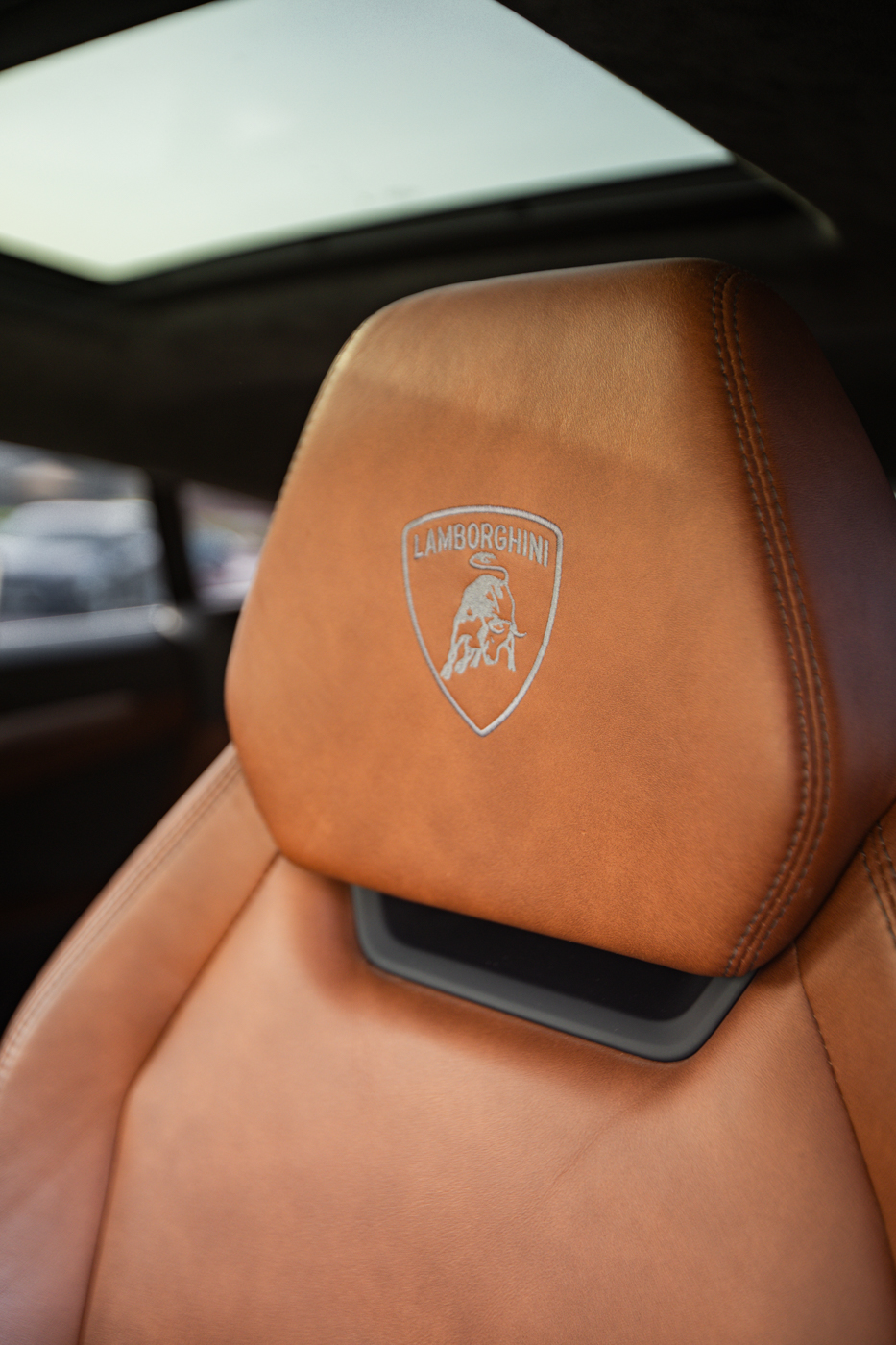
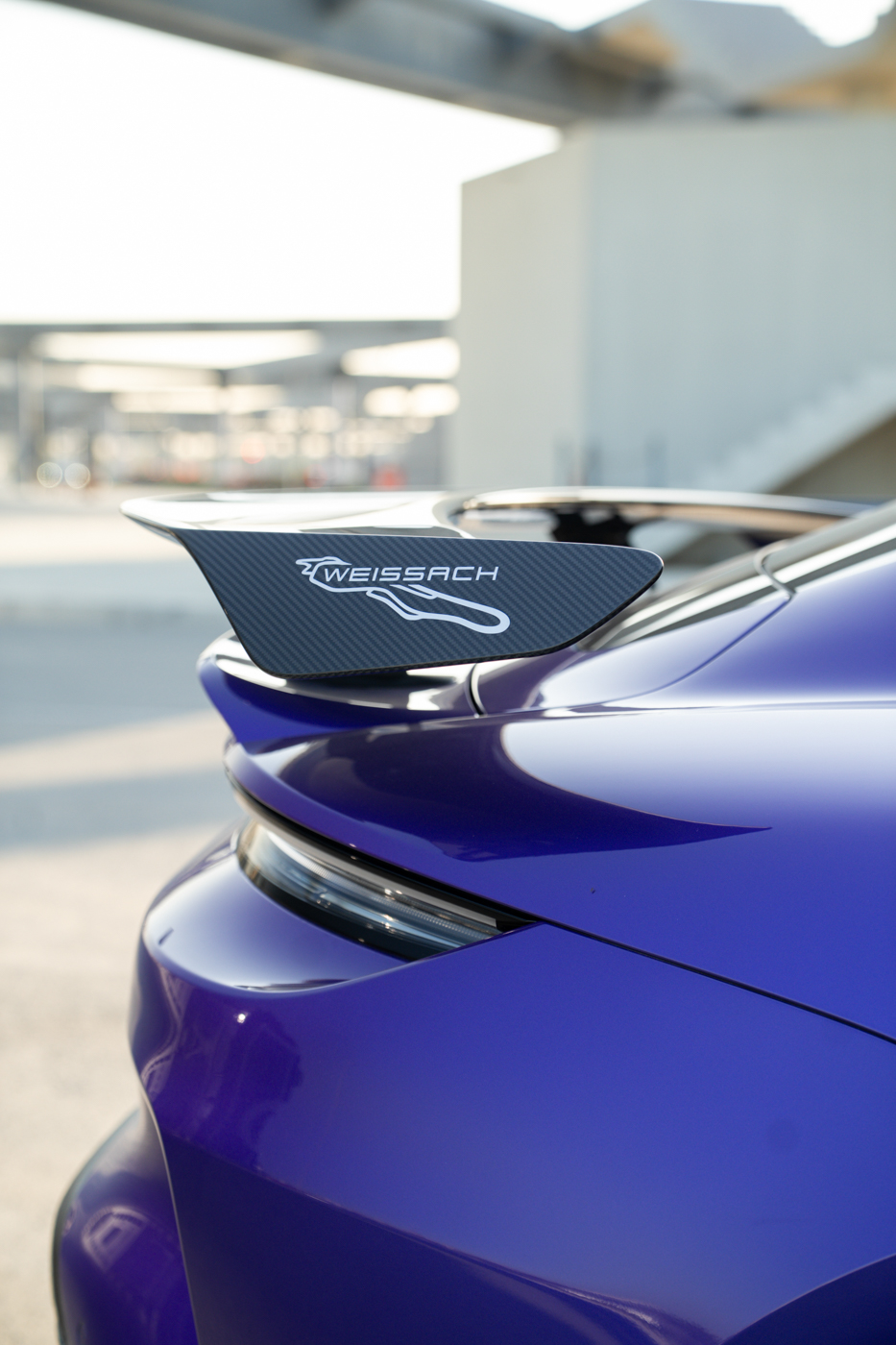
Leather conditioning on a Lamborghini interior, carbon detail on a 911 GT3 RS Weissach Package. Different cars, same standard of prep.
"As long as nothing major needs work, even if the car was in a perfect condition, we try our best to make sure that the car is almost as if it's getting out of a showroom on that day. At the end, these are used cars, but we try to make them mirror the newly released cars as much as possible."
The result isn't a new car. It's just that when you walk up to one of ours, the used part isn't the first thing you notice. Mileage is still on the dash. History is still disclosed honestly. Presentation is where we put in the work.
Consignment is the same standard
Consignment is newer for us, but we haven't softened the inspection.
"Even if we're not going to own the car ourselves, the standard stays the same. It should be as good as a car we'd be willing to buy. Same 150-point check. If something serious comes up that the owner can't address, the car doesn't make it to our floor."
The logic is simple. A buyer walking into our showroom shouldn't have to figure out whether we own the car or we're representing the seller. The quality bar doesn't change either way.
Why cars don't fail buyer inspections after us
This question comes up from time to time, usually politely. Could a car a buyer is about to purchase from us fail the buyer's own independent inspection?
"Whenever we have sold a car, it has never been rejected due to any condition issue. The filter happens at our buying stage. By the time a car is on our floor, it's been through our 150-point check and the pre-sale prep. A car we own is a car we're willing to stand behind."
That last line is the whole approach in one sentence. The inspection at the buying stage is what makes it possible to say that.
We still welcome independent inspections from buyers. Verifying is better than wondering, and nothing we do on our side should make anyone less willing to double-check.
FAQ
Q: How much does a pre-purchase inspection cost in Dubai?
A: AED 500 to 1,500 depending on the provider. Mobile services tend to sit at the higher end.
Q: Can I inspect a car myself?
A: You can cover the basics. A professional brings a paint gauge, diagnostic tools, and a lift, which catch the things your eyes can't.
Q: What's the single most important thing to check?
A: Service history and a cold start. Between them, about 80% of the issues that matter will surface.
Q: What happens if you find a problem on a car you were thinking of buying?
A: We walk away. It's cleaner to not own the car than to own something we'd have to explain later.
Q: What are the most common reasons you reject a car?
A: Undisclosed accident history, panel repaints the seller didn't mention, and major mechanical work like a previous engine or transmission rebuild. These are the patterns.