How to sell your used luxury car in Dubai: private sale, trade-in, or consignment?
A complete guide to selling a used luxury car in Dubai - private, trade-in dealer, or consignment - based on what we see at Xcelerate Motors every week.
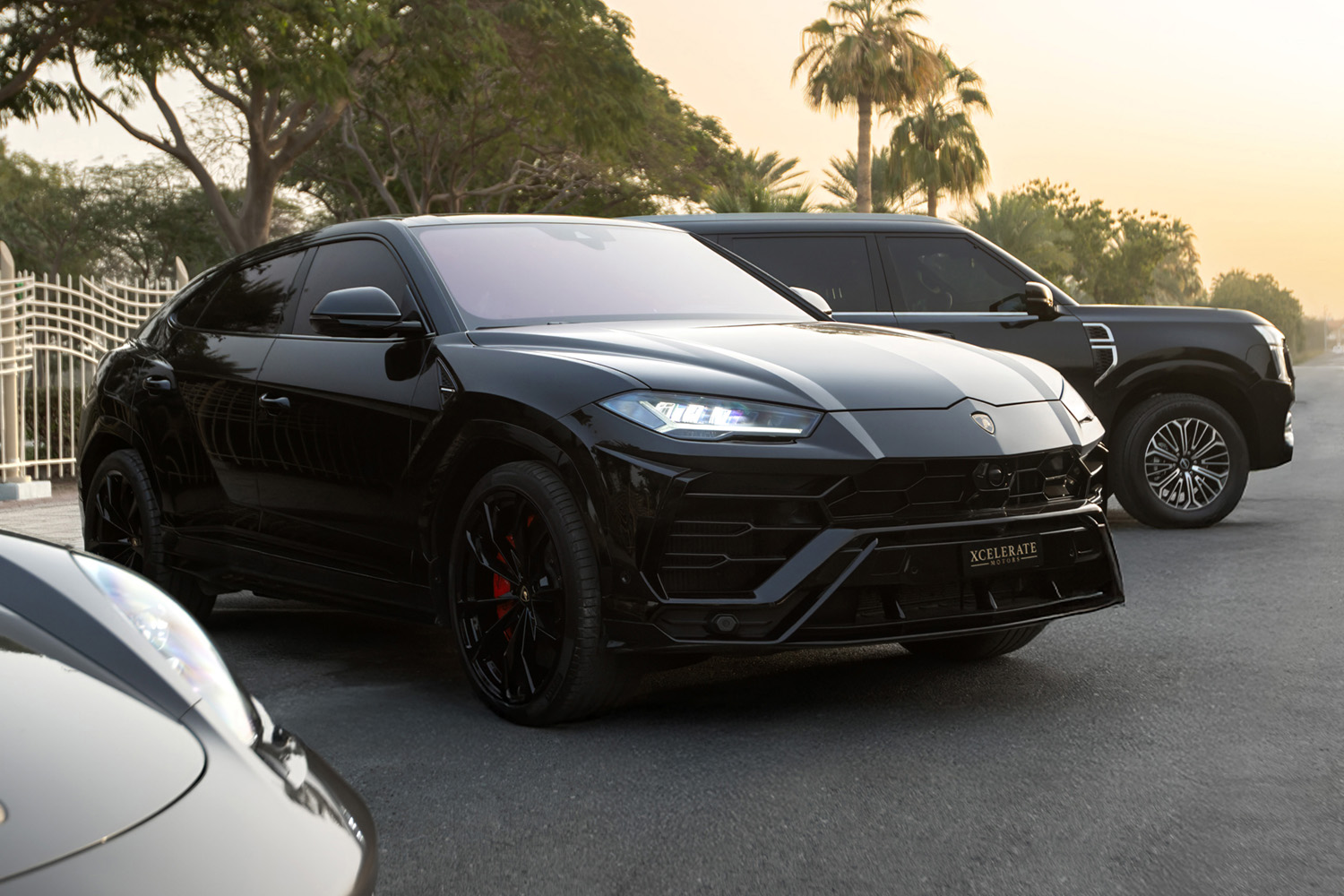
When you decide it's time to sell your luxury car in Dubai, the question that comes next is always the same. What's the best way to actually do it. There are three real options, and each one trades something for something else, usually money for time or time for certainty.
This guide walks through all three based on what we see at Xcelerate Motors. We've handled cars across the segment, and the patterns are consistent enough that it's worth laying them out for anyone about to make this decision.
The three ways to sell a luxury car in Dubai
You can sell it yourself privately, by listing it on platforms like Dubizzle and Facebook, or by word of mouth through your network. You can take it to a trade-in dealer, where you'll exchange it for cash on the spot or credit it against a new car, with hundreds of these dealers operating across the UAE. Or you can leave it with a consignment dealer who represents the car on your behalf while you stay the owner until it sells.
Each of these has its own pros and cons, and the right one depends on what matters more to you in this particular sale.
How does a private sale of a luxury car in Dubai actually work?
The pitch is obvious. List the car yourself, talk to buyers directly, keep the dealer's margin in your own pocket. The reality is something most people only discover after they've tried it. Our owner had lived this side of the market personally before opening Xcelerate Motors.
"I used to want to sell my car myself. After a month or two of trying, I always moved back to giving it to a dealer. I got tired from the calls from dealers, from end users who give you an appointment, you change your schedule, you work around their schedule, and then they don't show up. There's a real hassle in this. Eventually I'd get tired, and the first person that's honest, with a close price or even a bit lower, we'd go ahead with it. The seller might be tired from spending so much time on selling their own car."
That's the part of private sale nobody talks about when they pitch it as the way to get the best price. The calls start the day you list. A meaningful share come from traders trying to buy at the lowest possible number so they can flip the car themselves. The legitimate buyers, the ones who actually want the car for themselves, have to be filtered out from the noise. Many will commit to a viewing and not show up, and you'll have rearranged your week around an appointment that didn't happen. The ones who do show up want to test drive a car worth several hundred thousand dirhams, and you either go with them or you take the risk.
After enough cycles of this, most sellers get tired. The first reasonable offer wins, not because the car wasn't worth more on paper, but because the patience ran out somewhere along the way. Private sale works well for sellers who genuinely have the time, energy, and willingness to wait for the right buyer to surface. For most luxury car owners with full-time jobs, that combination is harder to maintain than it looks before you start.
What is a trade-in, and when does it make sense?
Trade-in is the opposite trade-off. You walk into a dealer, the inspection happens, you get a number, you accept or you walk away. The price will almost always be the lowest of the three options, and the reason is structural rather than unfair. The dealer needs their margin, they need to cover the time the car will sit on their lot waiting for the next buyer, they need to budget for any reconditioning, and they need to absorb the risk of whatever a deeper inspection might reveal once they own the car. All of that gets priced into the offer.
Trade-in is the right answer when you need to be done with the sale this week, or when you're buying another vehicle immediately and can credit the trade against it, or when you're leaving the UAE and don't have weeks to wait for the right buyer. The convenience is real, and so is the discount you're paying for it.
How does luxury car consignment work in Dubai?
Consignment sits between the two. You keep ownership of the car. The dealer represents it through marketing, viewings, and negotiation, and takes either a percentage or a fixed fee when the car sells. You agree the floor price together before any of the work starts.
At Xcelerate Motors the process is structured. Before we agree to represent a car, our technical team takes it through a full 150-point inspection covering history, paint, accident records, mechanical condition, electrical systems, interior, and documents. This is the same inspection we'd do if we were buying the car ourselves. The reason matters: when a car sits on our floor as a consignment, our reputation goes with it. We need to know exactly what we're representing to a buyer, and if the inspection turns up something we can't disclose with confidence, we politely pass and recommend a different channel for that car.
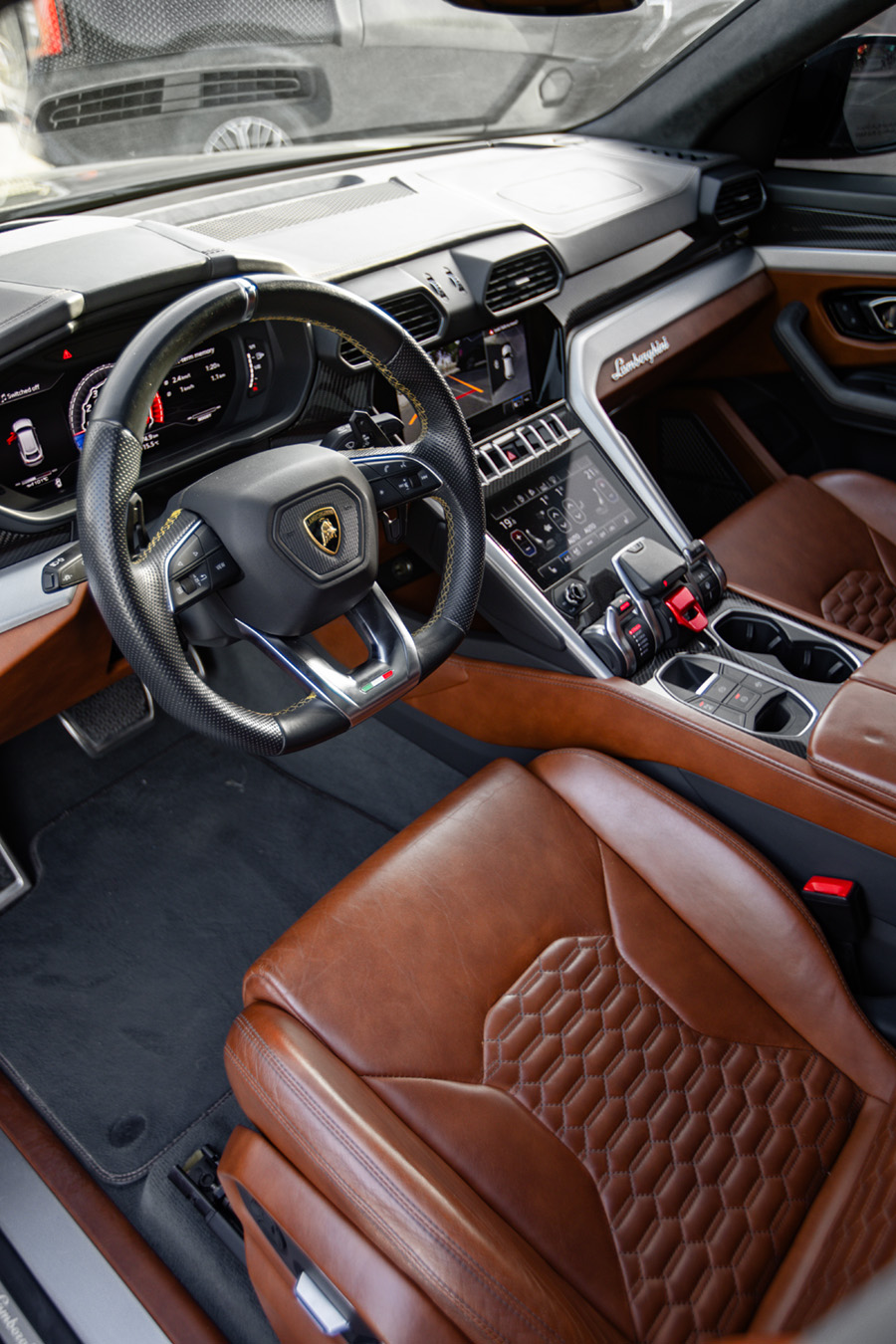
Once the inspection is clear, the conversation moves to price, and this is where expectations and reality often need to meet in the middle.
"Most clients come with very high expectations. We try to give them our honest valuation. For example, if the car is a G63 and they think they'll get AED 650,000, we'll show them in real time why the real value is closer to AED 620,000 or 600,000. We compare against current listings for the same year, mileage, spec. We factor in whether the service history is complete, whether the warranty is still valid, whether it's GCC or imported. By the end of that conversation they usually understand."
We use a market comparison tool that pulls current listings from across the UAE, and we add our own judgement on top. A car in perfect condition with full history is not the same as one with a few question marks, even at the same year and mileage. When the seller is comfortable with where the number lands, we agree on the minimum they'll collect at sale and sign a consignment agreement.
From there the work moves to our side. The car gets a professional photo shoot, goes onto xcelerate-motors.com, and gets pushed through our content channels. We also keep a running list of clients who've told us specifically what they're looking for. Some consignments find their buyer from that list before the car is even live publicly. In the showroom, the vehicle joins the rotation and is available for viewings. From that point our sales team handles every interaction, and the owner doesn't need to take calls, schedule visits, or negotiate.
What if the car doesn't sell?
Demand shifts. Some models cool off. Summer arrives and a meaningful share of the buyer base disappears for a few months. After about a month, if a car hasn't moved, we sit down with the consignee to look at what's actually happening.
"We give them the report, how many leads, how many viewings, what offers came in, where negotiations broke down. The owner is always part of the decision-making process. Whenever a serious offer comes in, we get in touch. If after one or two months the car still hasn't sold, we evaluate why, whether it's pricing or the market, and decide together on the next step."
The next step might be a small price adjustment, refreshed marketing, or simply more patience. A luxury car is a low-volume sale, not a fast-moving commodity, and the right buyer is sometimes one phone call away and sometimes weeks away. What doesn't happen is the car gets dropped off and the communication stops. The consignee is always in the loop, because the car is still theirs until the moment it sells.
What's the single biggest mistake luxury car sellers make in Dubai?
Overpricing based on an outlier listing. The pattern is the same every time. You go to Dubizzle, search for your model and year, and see a stack of cars listed. Most of them are clustered in a clear price band. One sits noticeably above the rest. That one becomes your reference, and you decide it's what your car is really worth.
Almost always, that high listing has factors that don't apply to your car. A premium spec. Lower mileage. Full original paint. Full active warranty. Complete dealer service history. Or, often enough, the car has been sitting unsold for months and the seller is simply wrong about the market.
"Each car has its own value. It has to be assessed separately and evaluated separately to define the real and right value. Sometimes a seller takes one example out of fifteen cars and treats it as the rule, when it's the exception."
The cluster, not the outlier, is the market. Your car probably sits inside that cluster too, slightly above or below depending on its specific condition. Pricing yourself against the outlier means the car sits, the market drifts down underneath you, and you end up chasing it, dropping your price every couple of weeks while never being the most attractive option in the segment. The cleanest protection against this is getting an honest valuation from someone who isn't trying to buy your car.
What can you do to actually get more money for your luxury car?
"You get what you pay for. We don't take cars that need a lot of work, but the cars we do take, we make them the best condition they can be."
The factors that move the price up aren't secrets. Low mileage matters, especially if it's clearly below average for the year. A complete service history with stamps from a reputable workshop reads very differently from a partial history with gaps and stamps from places nobody recognises. An active manufacturer warranty, or a service contract you've kept running through an extension, is a tangible asset to the next buyer, and worth more than people assume.
Original condition matters too. A car that's been kept close to factory spec, with original paint, original wheels, original interior, has a wider buyer pool than one with aftermarket changes of unclear provenance. And then there are the care signals: covered parking, regular detailing, no obvious sun damage on the leather, dash, or rubber seals. The Dubai heat is hard on used cars, and the first thing an experienced buyer checks is whether the car was protected from it. We covered this side of inspection in detail in our pre-purchase inspection checklist for used cars in the UAE.
Before any car of ours goes onto the showroom floor we detail it fully inside and out. Fresh, polished, looking the way a buyer hopes it will look in the photos and again in person. If you're selling privately, a professional detail before you take photos almost always pays for itself in the offer price or the speed of sale.
When is the best time of year to sell a luxury car in Dubai?
The calendar matters more than most sellers realise. Summer is the slow stretch. June, July, and August see a meaningful share of the regular Dubai customer base out of the country. Buyers who do stay around expect better deals, and inventory across the market sits longer. The strong months run from autumn into spring, when residents are back, tourists are visiting, and relocations to Dubai pick up. There's a steady flow of newcomers who need a vehicle quickly and aren't trying to optimise the last few percent of the price.
"Summer period is usually a slow period. June, July, August, the business slows down because lots of people are going for long holidays. But at the same time you have people relocating to Dubai, so it offsets the slowdown. The market is always moving. Of course in summer people will be looking for better pricing or better bargains."
If your timing is flexible, listing in autumn rather than midsummer usually pays off. The same car, in the same condition, tends to find its buyer faster and closer to the price you were hoping for.
Which option should you choose?
The decision comes down to which of the three trade-offs you can live with. If the highest possible price matters most and you have the time and patience for the process, private sale gets you there, just at the cost of weeks of your own attention. If speed and certainty matter most, trade-in is what it's for, with the understanding that you're paying for that speed in the offer. Consignment sits between the two, getting most of the private-sale price without the private-sale workload, in exchange for waiting somewhat longer than a trade-in would take.
For luxury car owners with full-time jobs and limited patience for strangers test-driving their car on a Tuesday evening, consignment often turns out to be the closest match to what they actually wanted from the sale all along.
FAQ
Q: How long does it take to sell a used luxury car in Dubai?
A: Trade-in is the fastest, typically within days. Consignment usually takes a few weeks, sometimes longer depending on the model and time of year. Private sale tends to run one to two months, sometimes more, depending on how rare the specification is and how active the market is when you list.
Q: What does a consignment dealer in Dubai actually do?
A: At Xcelerate Motors, consignment means we inspect the car, agree the floor price with the owner, photograph and list it, market it through our channels, present it to clients on our waiting list, handle all viewings and negotiations, and report back regularly. The owner stays the legal owner of the car until it sells, and is part of every decision along the way.
Q: Is it better to sell my luxury car privately or to a dealer?
A: Privately, you might end up with a higher headline number, but factoring in the time, the missed appointments, and the risk of dropping your price out of fatigue, the difference is often smaller than expected. Many sellers who start privately move to a dealer route after a month or two anyway.
Q: Do dealers in Dubai buy cars that are not GCC spec?
A: Many do, including us. Japanese-imported luxury cars often arrive in very good condition because of how they were used in Japan. We covered the topic in detail in our piece on GCC vs Japanese imports in the UAE.
Q: Should I service my luxury car before selling it?
A: If a service is due reasonably soon, doing it before listing usually pays off in buyer confidence. Don't overspend on work that isn't due, since extra service stamps that go beyond what the schedule called for don't usually translate into a meaningfully higher offer.
Q: Will my car sell faster if I detail it before listing?
A: Yes, both in private and dealer sales. Photos drive the initial enquiry rate, and a freshly detailed car simply photographs better than one that hasn't been touched. A proper detail tends to pay for itself, sometimes several times over.
Q: Can Xcelerate Motors give me an honest valuation on my car?
A: Yes. We do free in-person valuations at our showroom in Galleria Mall, Al Barsha. There's no obligation to list with us afterwards. Even if you choose to go private or to a trade-in dealer, knowing the realistic number protects you in any negotiation.
If you're thinking about selling a luxury car in Dubai and want a straight conversation about which of the three options actually fits your situation, the door is open. We're at Galleria Mall, Al Barsha. You can walk in, call +971 52 562 9606, or book a time at xcelerate-motors.com/sell-your-car. The first conversation is always free, and we'll give you the same numbers we'd give a friend, even if those numbers point you somewhere other than us.